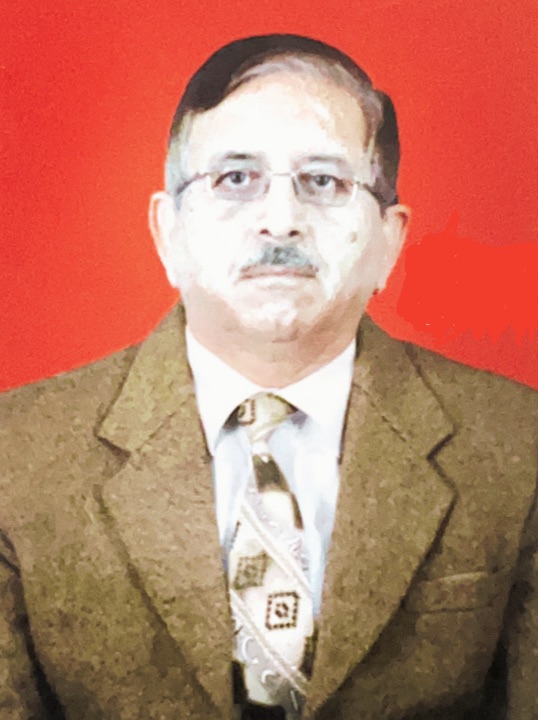
Gp Capt KC Taneja (Retd)
Director of Education; Principal, Sainik School Bhubaneswar
“Sophoz's opportunity is to move education technology beyond marks and toward a clearer, data-backed understanding of how each child learns.”
Sophoz understands your child’s interests, learning style, and progress to create a personalised learning journey through interactive quizzes, engaging activities, and AI-powered content.
Understanding that compounds week on week.
have practised with Sophoz.
average score improvement across practice journeys.
We look at the reasoning, the patterns, and the time taken.
Principals, service educators and classroom teachers who between them have led Sainik Schools, Air Force Schools and Kendriya Vidyalayas.
Director of Education; Principal, Sainik School Bhubaneswar
“Sophoz's opportunity is to move education technology beyond marks and toward a clearer, data-backed understanding of how each child learns.”
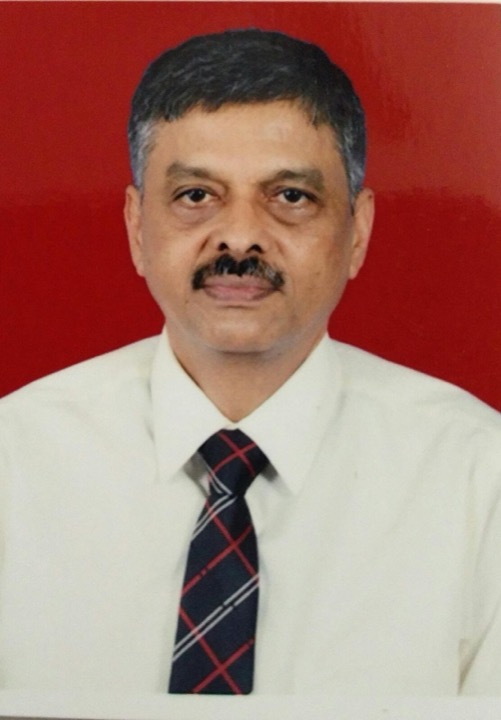
Director of Education; Principal, Sainik School Tilaiya
“Good AI in education should strengthen assessment and teacher judgment, not replace them.”
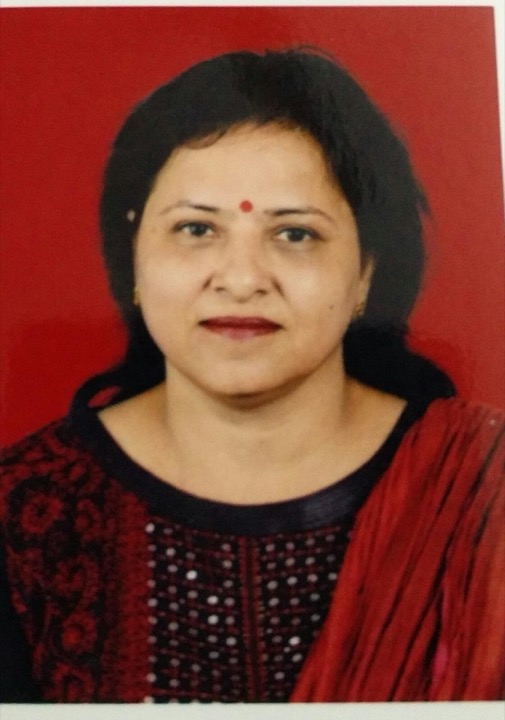
Teacher — government, private and international schools
“The best teacher technology turns student diagnostic data into a useful next teaching action.”
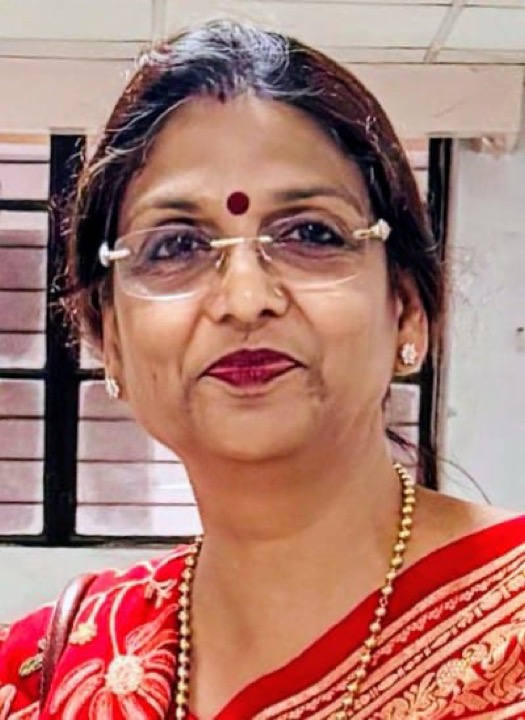
MA, PhD (English) — St Andrew's College, DDU Gorakhpur University
“Sophoz has the potential to use AI not just to grade, but to nurture a child's foundational reasoning and literacy skills with genuine understanding.”
Learning isn’t a straight line. Your child starts with curiosity, explores, asks questions, builds understanding, and gradually sees the bigger picture. The expanding curves are layers of knowledge. The green dot is your child, moving through them.
A learning companion that understands how your child thinks.
Sophoz asks questions that open up thinking rather than testing recall.
Your child explores the idea and puts their thinking into their own words.
Sophoz reads the reasoning, finds the gap, and connects it to what they already know.
Understanding settles into something your child can build on, and a new question begins.
Four capabilities that turn practice into a real picture of how your child learns.
Every set is built around the skills your child is actually working on right now, so they are never grinding through questions they already own.
Sophoz reads the reasoning and the time taken, so you can tell the difference between a concept your child owns and one they’re still working out the long way.
Your child gets a nudge. You get the pattern. Their teacher gets the evidence. Nobody has to translate.
Your answers are usually correct, but you spend longer than most students on multi-step word problems.
Teacher can see the pattern, evidence and suggested next move.
Understanding is checked by asking your child to apply, connect, and finally teach the idea. Levels unlock on evidence, not on a schedule.
When your child has to show the reasoning, the habit of picking an answer that looks right starts to fall away.
Instead of a mark that says something is wrong, you see which specific idea is missing and what to do about it.
Your child spends time on what’s genuinely unresolved rather than redoing what they already know, which is where most study hours are lost.
The clearest sign it’s working. When your child can teach an idea back, it has moved from memorised to understood.
Three different kinds of commitment — the board they are enrolled in, programmes that sit alongside school, and preparation for a dated exam. They are not the same decision for a parent, so they are not one list.
Curriculum-aligned practice for the board your child is already enrolled in — following the school's sequence rather than competing with it.
Standalone skills that sit alongside school rather than inside it — chosen because they compound, not because they are examined.
Preparation for a specific, dated examination — bounded syllabus, real deadline, and a clear definition of ready.
Go beyond marks. See your child’s strengths, gaps, time patterns, and how they think, so you can support them properly.
Explore for parents →